
The modern mobile ecosystem is really quite complex, with applications integrating all over cloud platforms, Internet of Things (IoT) devices, and quite sophisticated hardware components. Although traditional automation has provided a lot of support for agile delivery, it really struggles to keep up with very dynamic user interfaces, numerous OS updates, and highly interconnected systems.
A key limitation of everyday automation lies in the fragility of scripts. Even a very slight change in the user interface could break test scripts - causing false negatives and needing even more maintenance effort. This doesn't just slow down QA cycles, it also decreases overall testing efficiency, delaying releases and really affecting the user experience itself.
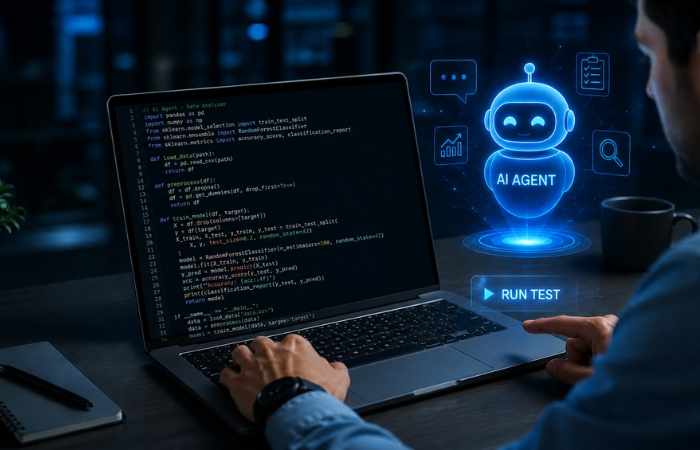
AI-driven mobile testing offers a much more adaptable approach. Self-healing automation really allows test scripts to adjust themselves automatically whenever the UI changes, greatly reducing manual intervention. In addition, AI-powered visual validation ensures consistent rendering on all types of devices by looking at layouts from the point of view of an end-user itself.
Predictive analytics takes this even further by identifying the most vulnerable parts of our application based on past data and code changes. This lets QA teams truly focus their testing efforts and detect problems much earlier in the development process itself.
By moving away from static scripts and using a lot more intelligent automation, companies can significantly improve test accuracy, decrease maintenance tasks, and really speed up delivery cycles. AI-driven testing is no longer a nice-to-have feature - it's becoming quite essential if we want to maintain quality in these very modern mobile applications.











Write a comment ...