
Let me introduce the changes happening in software production: Forget about reactive development where problems are found late and fixed under pressure. Software engineering is moving towards a predictive model instead.
Artificial intelligence (AI) helps power this new approach– providing engineers with tools that embed machine learning at every stage of their workflow so they can plan using data-driven insights from the very start. Making architectural decisions? AI simulations can help validate them.
When creating code, intelligent co-pilots offer continuous feedback on quality plus security aspects too. And what about testing? Instead of being a bottleneck it becomes an ongoing job full of predictions about how things might go wrong next.
In quality assurance, this shift is incredibly noticeable. Quality assurance powered by AI doesn’t just spot bugs– it stops them before they arise. By analyzing patterns such as code changes, historical defects, and usage, AI can prioritize test execution in high-risk areas.
Visual testing makes sure every pixel looks perfect while performance intelligence identifies bottlenecks long before customers experience them— putting BugRaptors way out in front with its approach of linking three things together inside an AI-boosted SDLC:
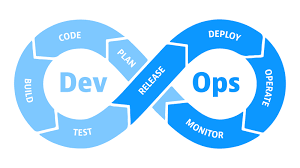
Digital Engineering where AI speeds up development/code reviews/ feature integration; QA Engineering where predictive testing, AI-driven automation/security smarts guarantee ongoing quality; plus DevOps/MLOps Engineering-- all brilliant pipelines AIOps plus automated quality gates that allow secure yet speedy releases too!
Contrary to perception, AI tools do not replace humans in the workplace. Their true value lies in enabling collaborative work between man and machine– specifically by taking over dull yet vital data-handling tasks so that engineers can concentrate on designing systems, being creative and finding new solutions: activities at which they excel over any computer algorithm now or in the foreseeable future.
As applications become more complex, organizations relying solely on traditional methods will be outpaced by those adopting AI-enhanced engineering to build secure digital products that continuously adapt to evolving market demands—at far greater speed. While today’s software landscape may appear highly automated, it is anything but dull. Intelligent systems have already arrived, bringing not just automation, but an added layer of intelligence that enables learning, prediction, and smarter decision-making across the engineering lifecycle.




Write a comment ...