
In the world of software development today, applications are highly complex. After all, we rely on cloud services for a plethora of functions such as demanding web applications and cryptic APIs that connect numerous systems together.
Therefore ensuring high standards cannot be an afterthought. This is when Full Stack QA testing stops being a nice-to-have and instead becomes essential for any business.
Full Stack QA testers check everything about applications: the look and feel (UI), connection points (APIs), core processing (backend logic), data storage (databases), how well things work together (integrations), speed under load (performance), and even security matters.
They do way more than just basic black-box testing. These specialists craft SQL queries, create automation frameworks, conduct scalability assessments— all while making certain modifications seamlessly integrate within CI/CD pipelines.
Their expertise leads to significant cost savings— they find bugs early long before these turn into costly production problems. They are also really key for achieving faster release schedules with continuous testing and automated checks across all parts.
Also the future of QA is increasingly led by AI. Modern full stack testers use AI for things like autonomous test generation, synthetic test data, visual validation, self-healing automation, and predictive risk analysis. This shifts QA from just reacting with tests to engineering quality proactively.
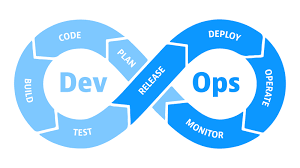
Hiring a tester with this versatile T-shaped mindset means getting a real quality multiplier. They bridge gaps between development QA and DevOps making sure your entire product flow from design through deployment remains stable, secure, and high-performing.
If you’re building things that need to scale aiming for true reliability it’s time to invest in full stack QA skills.










Write a comment ...