.webp)
Explore the impact of AI and machine learning on software testing. Improve efficiency and ensure high-quality software with advanced techniques. To know more, read the blog Today!
Explore the impact of AI and machine learning on software testing. Improve efficiency and ensure high-quality software with advanced techniques. To know more, read the blog Today!
Write a comment ...

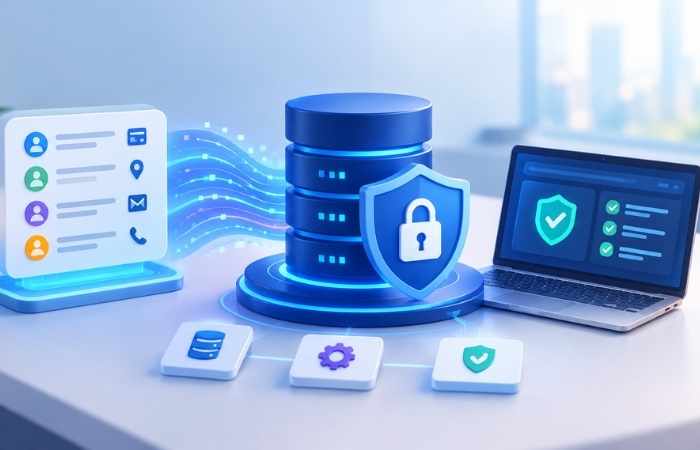
Data privacy mandates tighten across every major market, while software deployment cycles accelerate from months to minutes. This creates severe operational tension - engineering teams need realistic data to validate complex workflows, yet using actual customer records in non-production environments introduces immense security risks.

Software development doesn't stop after deployment. Every enhancement, feature update, bug fix, or security improvement introduces the possibility of affecting existing functionality. That's why investing in a dependable Regression Testing Service is essential for organizations committed to delivering consistent user experiences and high-quality software.

Your eCommerce platform is only as strong as the experience it delivers. A slow website, failed payment, broken checkout, or inventory mismatch can quickly drive customers away and impact revenue.
Every modern application relies on APIs to enable communication between services, cloud platforms, mobile apps, and enterprise systems. Without effective API Testing, hidden integration issues can lead to downtime, security risks, and poor customer experiences.
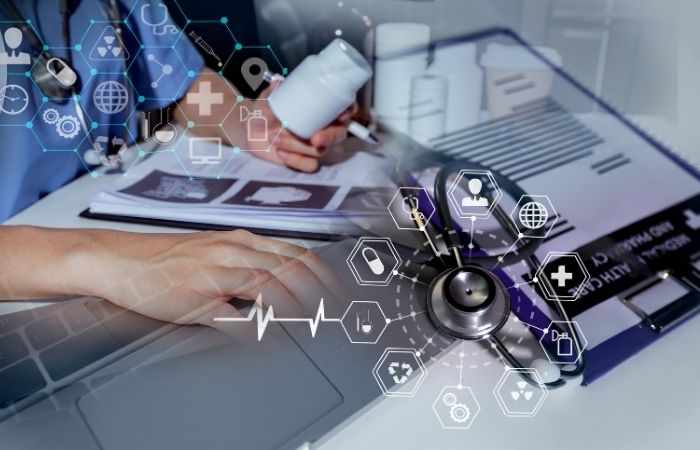
Healthcare applications have become essential for patients, physicians, hospitals, and insurance providers. Whether it's a telemedicine app, patient portal, pharmacy platform, or mobile health solution, delivering a flawless user experience requires comprehensive healthcare application testing throughout the software development lifecycle.
The success of a healthcare application depends not only on innovative features but also on its reliability, security, and compliance. Selecting the right healthcare software testing company can make a significant difference in achieving these objectives and ensuring a successful product launch.

In today’s mobile-first world, users expect applications to deliver flawless performance across different devices, operating systems, and network conditions. This is where professional mobile testing services play a critical role in ensuring quality, reliability, and user satisfaction.

In today’s fast-paced digital landscape, businesses must deliver high-quality software applications quickly and efficiently. This is where an experienced Automation Testing Service Provider plays a critical role. By leveraging advanced tools, frameworks, and testing methodologies, organizations can improve software quality, accelerate release cycles, and reduce operational costs.

Healthcare platforms require strong security, seamless interoperability, compliance validation, and reliable performance to support patient care effectively. Learn how robust QA practices help reduce risks, improve software reliability, and ensure secure digital healthcare experiences.

Autonomous AI agents are transforming digital operations, but they also introduce unique quality and reliability risks. Learn how QA teams approach testing, validation, and monitoring for intelligent AI systems.

As businesses really start deploying Large Language Models in production after playing around with Generative AI, reliability has really become our biggest challenge. While LLMs are very good at automating workflows like summarizing, creating content, and supporting decision-making, their habit of producing hallucinations really creates a lot of operational risk.

The rush to "AI-enhance" applications really has created a pretty serious fallacy: putting an AI-powered feature out there isn't quite the same thing as rolling out a completely production-ready system. Although prototypes typically perform very well under strict control, real-world usage exposes all sorts of hidden problems with integration, workflows, and different system states. That's exactly where most AI applications start to fail.

The modern mobile ecosystem is really quite complex, with applications integrating all over cloud platforms, Internet of Things (IoT) devices, and quite sophisticated hardware components. Although traditional automation has provided a lot of support for agile delivery, it really struggles to keep up with very dynamic user interfaces, numerous OS updates, and highly interconnected systems.

The cyberattack on Stryker is a striking sign of change within the cybersecurity world, with attackers moving beyond stealing information to causing total operational disruptions. Wiper malware differs from ransomware in that it has been designed to permanently destroy data through file overwrite, corruption of boot records and removal of any chance of recovery using shadow copy. It is nearly impossible to restore the data leading to extended periods of system being down.
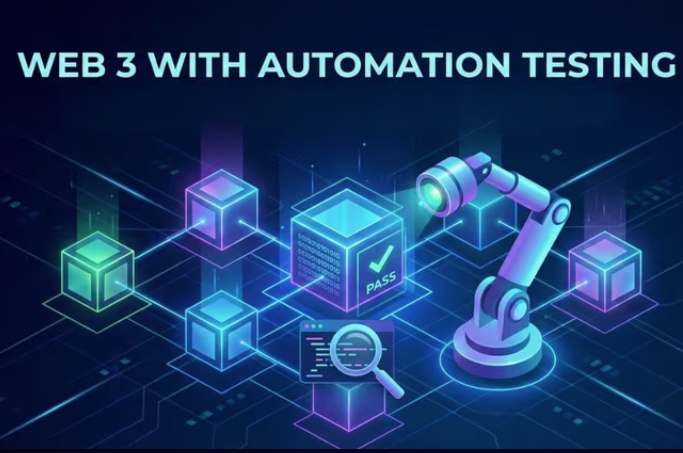
Blockchain innovation is moving at a faster pace with Layer 2 solutions, DeFi protocols, and cross-chain ecosystems transforming digital finance. Nonetheless complexity rises with risk. Decentralized application has to function very well over wallets, browsers, mobile devices and distributed ledgers while protecting real user assets.
The delay of Siri 2.0 isn’t just a product update pushed back. It’s a case study in what happens when testing gaps surface too late in AI development.

Today's software needs complex systems that work well— they've got cloud stuff, microservices, and even open-source parts. Even though these technologies help with scaling up and getting good performance, they also make it easier for attackers to get in. Companies have to get on top of proactive security plans to keep their systems safe, and doing regular automated security testing is really important for meeting those goals.
As microservices get bigger, teams start facing a big job: making sure services can talk to each other well without messing up deliveries. Even while unit tests check out the internal logic and end-to-end tests make sure user workflows work okay, neither one really does a good job protecting the "integration boundaries" between services. This issue is just where contract testing actually brings some value.

By 2026, quality assurance evolved beyond just finding defects. It became a strategic business function influencing customer experience, compliance, and how fast products are released. Big US companies increasingly chose partners offering full QA services throughout software development– they wanted more than spot checks for bugs.
In today’s world, quality assurance is a really strategic way to make sure software gets delivered faster and more safely. As development cycles speed up and systems become more complex– and interconnected!– businesses find they can’t rely on their old QA methods alone if they want to keep things running smoothly.
Write a comment ...